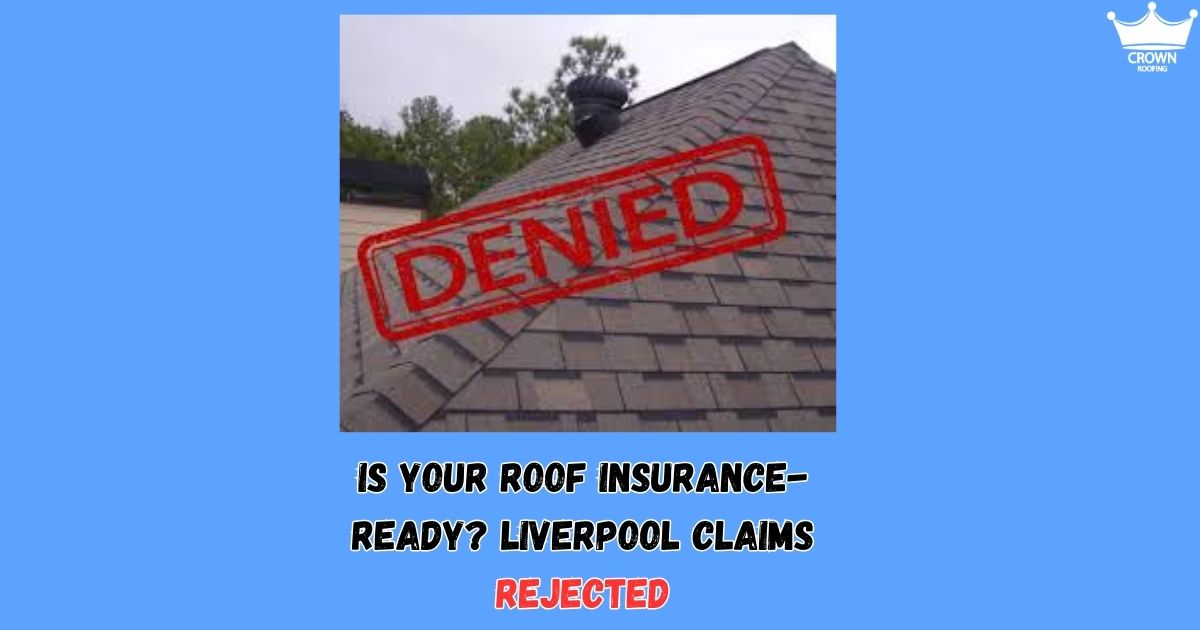
Many Liverpool homeowners only think about roof insurance when damage has already happened. Unfortunately, that’s also when claims are most likely to be rejected. Roof insurance claims often fail not because damage didn’t occur, but because the roof was not considered insurance-ready before the incident.
Understanding why claims are refused helps homeowners avoid costly surprises and strengthens future claims.
Why roof insurance claims get rejected in Liverpool
Insurance providers assess roof condition carefully. If damage appears preventable or linked to poor maintenance, claims are often denied.
Common reasons include:
-
Long-standing wear rather than sudden damage
-
Poor maintenance history
-
Previous issues left unrepaired
-
Age-related deterioration
-
Missing inspection records
Liverpool’s older housing stock and harsh weather make these issues more common than many homeowners realise.
Wear and tear is not covered
One of the most misunderstood aspects of roof insurance is wear and tear. Insurance policies usually cover sudden, unexpected events such as storms, but not gradual deterioration.
Examples insurers reject include:
-
Cracked tiles caused by age
-
Worn flashing that failed over time
-
Felt breakdown due to long-term moisture
-
Mortar erosion on ridge tiles
If damage develops slowly, insurers often classify it as maintenance, not an insurable event.
Storm damage claims that still fail
Even after severe storms, claims can be rejected if insurers believe the roof was already compromised.
This happens when:
-
Tiles were loose before the storm
-
The roof exceeded its expected lifespan
-
Evidence suggests neglect
Insurers may argue that proper maintenance would have prevented the damage.
Missing maintenance records weaken claims
Insurance companies increasingly ask for proof of roof care. Without records, homeowners struggle to show the roof was in good condition before damage occurred.
Helpful documentation includes:
-
Inspection reports
-
Repair invoices
-
Photographs of roof condition
-
Maintenance schedules
Without these, insurers may question whether damage was sudden or inevitable.
Shared roofs and terraced homes complicate claims
Liverpool terraced homes often share roof structures. If damage originates from a neighbouring property or shared section, insurers may dispute responsibility.
This can delay claims or reduce payouts, especially when maintenance responsibilities are unclear.
Flat roofs face stricter scrutiny
Flat roofs are more likely to have claims rejected because:
-
Ponding water is often seen as maintenance failure
-
Older felt roofs have shorter lifespans
-
Poor drainage accelerates deterioration
Insurers often expect flat roofs to be inspected more frequently than pitched roofs.
How to make your roof insurance-ready
Being insurance-ready means reducing risk and creating clear evidence of care.
Steps homeowners should take:
-
Schedule annual roof inspections
-
Repair small issues immediately
-
Keep gutters and valleys clear
-
Photograph roof condition after maintenance
-
Replace aging materials before failure
These actions strengthen claims and reduce rejection risk.
Why local inspections matter
Local roofers understand how Liverpool’s weather affects roofs and know what insurers look for. Companies like Crown Roofing Solutions provide inspections that highlight vulnerabilities before insurers use them against you.
Local expertise helps identify issues that national inspectors often miss.
When replacement improves insurance approval
Sometimes repair is not enough. Roofs near the end of their lifespan are harder to insure and more likely to trigger rejected claims.
Replacing an aging roof:
-
Improves insurability
-
Reduces premium risk
-
Strengthens future claims
-
Protects property value
This is especially important for older Liverpool homes.
Conclusion
Many Liverpool roof insurance claims are rejected not because storms didn’t cause damage, but because the roof wasn’t insurance-ready beforehand. Wear, neglect and missing records weaken claims and increase financial risk.
Regular inspections, prompt repairs and proper documentation protect both your roof and your insurance rights. Preparing early costs far less than a rejected claim.
FAQs
Why do insurers reject roof claims so often?
Most rejections relate to wear and tear or lack of maintenance rather than sudden damage.
Does roof age affect insurance claims?
Yes. Older roofs are inspected more closely and claims are harder to approve.
Are flat roofs harder to insure?
Yes. Flat roofs require more frequent inspections and maintenance.
What documents help insurance claims?
Inspection reports, invoices and dated photos of roof condition.