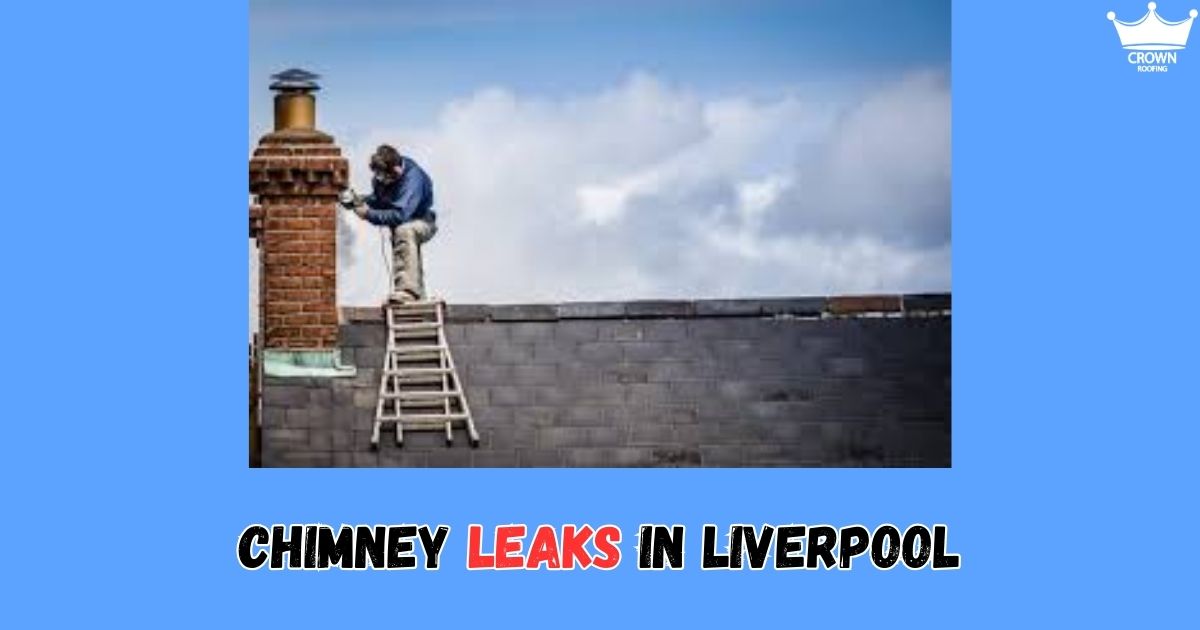
Chimney Leaks in Liverpool homeowners deal with are often frustrating and repetitive. Many people fix the same leak multiple times, only to see water return after the next heavy rainfall. In most cases, the issue is not the tiles or chimney bricks, but failed or poorly installed flashing. Understanding this is key to solving the problem permanently.
Why Chimney Leaks in Liverpool Homes Are So Common
Chimneys interrupt the smooth surface of a roof, creating natural weak points.
Roof and Chimney Joint Is Vulnerable
Where the chimney meets the roof, materials must seal perfectly to stop water.
Constant Weather Exposure
Liverpool’s wind, rain, and moisture put continuous stress on these joints. Over time, this leads to failure, especially if flashing is old or poorly installed.
What Chimney Flashing Actually Does
Flashing is the main defence against leaks around chimneys.
Directs Water Away
It guides rainwater away from joints and vulnerable areas.
Creates a Flexible Seal
It expands and contracts with temperature changes.
Protects Roof Structure
It prevents water from entering tiles, felt, and loft space. When flashing fails, leaks are almost unavoidable and often require Roof Leak Repair Liverpool to resolve internal damage.
Why Most Chimney Repairs Fail
Many repairs focus only on visible problems, not the cause.
Temporary Sealants
Sealants may stop water briefly but break down quickly.
Tile-Only Repairs
Replacing tiles does not fix flashing issues.
Surface-Level Fixes
Mortar patches and coatings don’t stop water at the source. Without proper flashing repair, leaks return again and again.
How Liverpool Weather Damages Flashing
Liverpool’s climate accelerates flashing failure.
Wind Lifts Edges
Strong winds loosen flashing over time.
Heavy Rain Forces Water In
Water is pushed into small gaps and cracks.
H3: Coastal Air Causes Corrosion
Salt in the air speeds up wear on metal flashing. These conditions are common across areas like Roofing Services in Garston, Liverpool, where weather exposure is high.
Signs Your Chimney Flashing Has Failed
Recognising early signs can prevent major repairs.
Damp Around Chimney Breast
Moisture marks inside your home.
Stains After Rainfall
Visible signs of water entry.
Loose or Lifted Flashing
Edges of flashing pulling away.
Dripping Sounds in Loft
Water entering through hidden gaps. At this stage, professional repairs are needed to stop further damage.
Why Proper Flashing Installation Matters
Correct installation is the difference between temporary and long-term results.
Precision Fitting
Flashing must be cut and shaped accurately.
Secure Fixing
It needs to be embedded properly into brickwork.
Weather Resistance
It must handle Liverpool’s changing conditions. Poor installation leads to repeat leaks and additional repairs.
Chimney Leaks in Terraced Liverpool Homes
Terraced properties present unique challenges.
Shared Chimney Structures
Water can travel between properties.
Harder Leak Detection
The source is not always directly above the visible damage. In such cases, experienced Roofing Liverpool professionals are needed to trace and fix the issue properly.
When Flashing Replacement Is the Best Option
Sometimes repairs are not enough.
Old or Corroded Flashing
Needs full replacement to prevent repeat leaks.
Poor Previous Installation
Incorrect work must be redone properly.
Ongoing Leak Issues
Repeated problems usually mean flashing failure. Replacing flashing correctly prevents long-term damage and repeated costs.
How to Prevent Future Chimney Leaks
Prevention is always better than repair.
Regular Roof Inspections
Identify problems before leaks develop.
Fix Issues Early
Small flashing damage is easier to repair.
Avoid Temporary Fixes
Quick patches often fail in bad weather.
In some cases, improving surrounding areas like fascia and drainage through UPVC Fascia Replacement Liverpool can also help reduce moisture issues.
Final Thoughts
Chimney Leaks in Liverpool homeowners face are rarely caused by tiles alone. In most cases, flashing failure is the real issue. Fixing the cause, not just the symptom, is the only way to stop leaks permanently.
Proper flashing installation protects your roof, prevents repeat damage, and saves money over time.
FAQs
Can sealant fix chimney leaks permanently?
No, sealants are temporary and fail over time.
How long does chimney flashing last?
Properly installed flashing can last decades.
Are chimney leaks expensive to fix?
Early repairs are affordable, but delays increase costs.
Should flashing be checked regularly?
Yes, yearly inspections help prevent leaks.