Loft Conversions Pay for a New Roof in Liverpool is a strategy more homeowners are now considering as property costs continue to rise. Instead of treating a new roof as a pure expense, many Liverpool residents are turning it into an investment opportunity. By combining both projects, you can improve your home while also recovering a large part of the cost.
Many homeowners start by exploring options on the Crown Roofing Solutions Limited to understand what is possible. With the right approach, Loft Conversions Pay for a New Roof in Liverpool by increasing usable space and boosting property value. This makes the upgrade far more worthwhile than handling both jobs separately.
Why Loft Conversions and Roof Replacement Work Together
Loft conversions and roof replacements naturally fit into the same construction process. Both projects involve structural work, scaffolding, and access to the roof area. Completing them together reduces duplication of labour and overall disruption.
Many homeowners already dealing with leaks or ageing roofs often begin with Roof Tile Repairs Liverpool, only to realise a full upgrade is more cost-effective. At that point, adding a loft conversion becomes a smart step. This is where Loft Conversions Pay for a New Roof in Liverpool by turning repair costs into a full upgrade.
How Loft Conversions Pay for a New Roof in Liverpool Financially
The reason Loft Conversions Pay for a New Roof in Liverpool is simple: added space increases property value. A new bedroom, office, or living area can significantly raise the market price of your home. In many cases, the value increase covers a large portion of the roofing cost.
Some homeowners also generate income from their new space. Properties upgraded through Loft conversion Liverpool services are often used for rentals or home offices. This creates an ongoing return that helps recover the initial investment over time.
Real Cost Savings from Combining Both Projects
When done together, loft conversions and roof replacements reduce several hidden costs. You avoid paying twice for scaffolding, labour setup, and site preparation. These savings alone can make a noticeable difference in your total budget.
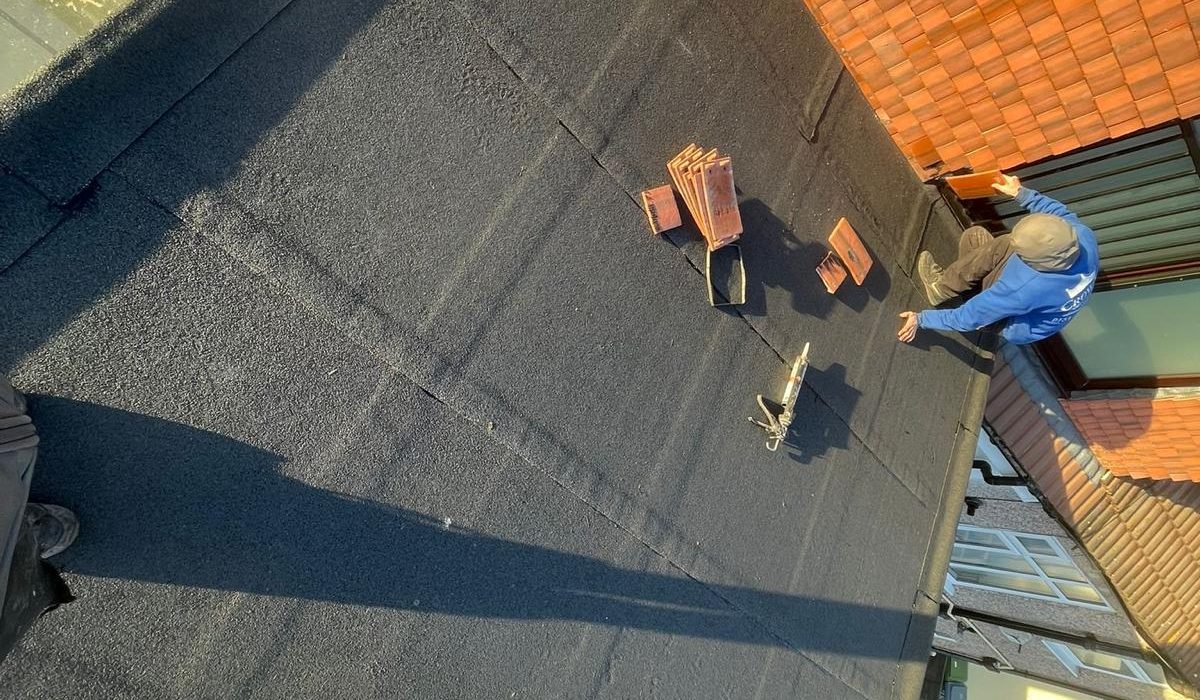
Homeowners upgrading older roofs through Flat Roof Replacement Liverpool services often see how combining work reduces long-term expenses. Instead of scheduling two separate projects, everything is completed in one timeline. This approach is both efficient and financially smarter.
Case Example: Increasing Property Value in Liverpool
In many Liverpool areas, adding a loft space can increase property value by up to 20 percent. This is especially true in locations where extra bedrooms are in high demand. A combined project often turns a necessary repair into a profitable upgrade.
For example, homeowners who first needed Roof Leak Repair Liverpool later chose to upgrade fully with a loft conversion. After completion, their property value increased enough to justify the total investment. This is why more people now see roofing work as part of a bigger plan.
Why Liverpool Homes Are Ideal for This Upgrade
Liverpool properties are ideal for loft conversions due to their structure and design. Many homes have high roof spaces and strong timber frameworks that support conversion easily. This makes the process smoother compared to newer or lower-roof properties.
Homeowners across areas like Aintree and Wavertree often explore options through Roofing Services in Aintree Liverpool when planning upgrades. These homes provide enough space for practical conversions without major structural changes. This is why Loft Conversions Pay for a New Roof in Liverpool more effectively here than in many other cities.
How Loft Conversions Improve Roof Performance
A loft conversion does more than add space, it strengthens your roof system. During the process, insulation, ventilation, and structural support are upgraded. This improves both energy efficiency and durability.
Many projects include modern materials like Firestone EPDM rubber roofing to enhance long-term performance. These upgrades help reduce heat loss and prevent moisture issues. As a result, your home becomes more efficient and comfortable.
Choosing the Right Loft Conversion Style
Different homes require different conversion styles depending on structure and space. Choosing the right type ensures maximum value and usability. The design also impacts how well it integrates with your new roof.
Popular options include dormer, Velux, and mansard conversions. Many homeowners planning upgrades also consult Loft conversion specialists Liverpool for guidance. A well-planned design ensures both the roof and living space perform effectively.
Long-Term Benefits of Combining Both Projects
Pairing both upgrades offers benefits that go beyond immediate savings. You improve your property’s structure, increase its market value, and reduce future maintenance costs. This makes your home more appealing for both living and resale.
Some homeowners also upgrade roofing materials during this process using Fiberglass Roofing Liverpool for added durability. This ensures the roof lasts longer while supporting the new living space. Over time, this reduces repair costs and improves overall value.
Conclusion
Loft Conversions Pay for a New Roof in Liverpool by turning a necessary expense into a valuable investment. Instead of spending money on roofing alone, homeowners gain extra space and increased property value. This combined approach reduces costs, improves efficiency, and delivers long-term returns. With the right planning, it is one of the smartest upgrades you can make.
FAQs
Do loft conversions really increase property value in Liverpool?
Yes, most loft conversions add 10 to 20 percent to property value, especially when creating an extra bedroom.
Is it cheaper to replace the roof during a loft conversion?
Yes, combining both projects reduces labour, scaffolding, and material costs significantly.
How long does a loft conversion take?
Most loft conversions take between four and eight weeks depending on size and design.
Can all Liverpool homes have loft conversions?
Most can, but a structural survey is needed to confirm suitability.