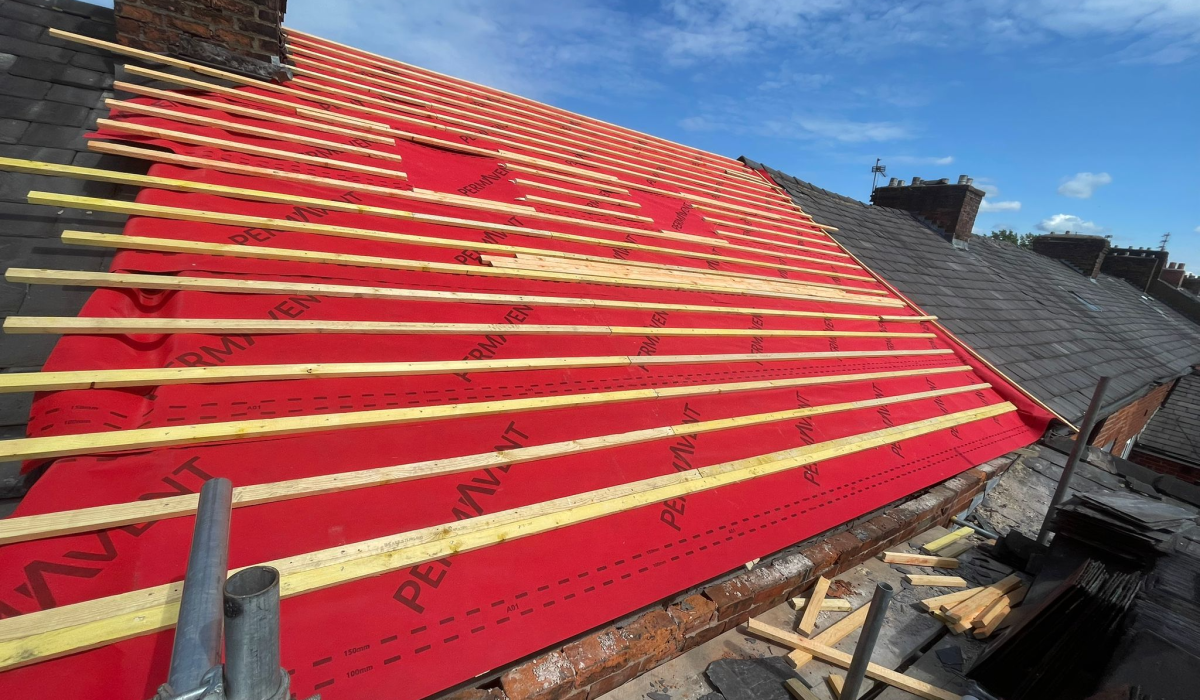
Hidden roof damage Liverpool homeowners deal with often goes unnoticed until water starts leaking inside the property. In most cases, the problem begins small, such as a cracked tile or loose flashing, but slowly gets worse over time. Spotting early signs can save you from expensive repairs. Many issues can be handled early through Roof Tile Repairs Liverpool, preventing serious structural damage later.
Why Hidden Roof Damage Liverpool Homes Is So Common
Liverpool weather plays a big role in roof damage. Heavy rain, strong winds, and cold temperatures constantly affect roofing materials. Older homes across the city are especially at risk.
Small weaknesses in tiles, joints, or flat roofs can develop into bigger problems without regular checks. Because most of these issues are not visible from the ground, they are often ignored until damage appears inside the home.
9 Signs of Hidden Roof Damage Liverpool Homeowners Should Check
1. Cracked or Slipped Roof Tiles
Tiles are your roof’s first layer of protection. When one tile cracks or moves, water can enter underneath.
Even a small issue can quickly turn into a leak. In many cases, homeowners later need Roof Leak Repair Liverpool because early damage was missed.
2. Dark Patches or Streaks on the Roof
Dark marks usually mean moisture is being absorbed into the roof surface. This is common on older roofs or areas exposed to constant rain. If left untreated, this can weaken the material and lead to leaks.
3. Damaged Flashing Around Chimneys and Walls
Flashing protects the joints where water is most likely to enter. Over time, it can loosen, crack, or rust. This type of damage is one of the most common causes of hidden leaks in Liverpool homes.
4. Ridge Tiles Moving After Strong Winds
Ridge tiles sit at the top of the roof and take the most pressure during storms. If they shift or crack, water can enter from above. This issue is frequently seen in exposed areas across Liverpool, especially after heavy winds.
5. Moss Growth and Moisture Build-Up
Moss may look harmless, but it traps moisture. Over time, it lifts tiles and allows water to seep underneath. Regular cleaning and maintenance can prevent this from becoming a bigger problem.
6. Blocked Gutters and Roof Valleys
When gutters or valleys are blocked, water has nowhere to go. It starts to overflow and can enter the roof edges. This is a common issue in many areas, including Roofing Services in Crosby, Liverpool, where trees and debris often block drainage systems.
7. Sagging Roof or Uneven Lines
A roof should always look straight. Any sagging or uneven surface can indicate structural damage underneath. This is a serious issue and should be inspected immediately.
8. Damp or Musty Smell in the Loft
Sometimes the first sign of damage is inside your loft. Damp insulation, dark patches, or a musty smell usually mean moisture is trapped. This often happens long before visible leaks appear.
9. Water Stains on Ceilings or Walls
If you see stains inside your home, the problem has already progressed. Water has passed through multiple layers of your roof. At this stage, repairs may be more extensive and urgent.
When Should You Take Action?
You should act quickly if you notice:
- dripping water during rain
- visible tile damage
- damp smells in loft spaces
- blocked or overflowing gutters
Delaying repairs only increases the cost and damage.
Why Early Detection Saves You Money
Roof problems rarely stay small. What starts as a minor issue can turn into major structural damage if ignored.
Fixing issues early helps:
- avoid expensive repairs
- protect insulation and ceilings
- extend roof lifespan
For example, flat roof issues can worsen quickly and may require Flat Roof Replacement Liverpool if not handled in time.
Why Choose Crown Roofing Solutions
Crown Roofing Solutions has years of experience working across Liverpool. The team understands how local weather affects different roof types and knows how to fix problems properly. From small repairs to emergency situations, services like Emergency Roof Leak Repair Liverpool ensure your home stays protected when it matters most.
Final Thoughts
Hidden roof damage Liverpool homeowners face is often easy to miss but costly to ignore. By checking these signs regularly, you can catch problems early and avoid serious damage. If you notice any warning signs, it is always better to act quickly rather than wait for the issue to get worse.
FAQs
How often should I check my roof?
At least twice a year and after storms.
Can hidden roof damage get worse quickly?
Yes. Small issues can turn into major leaks if ignored.
Is it safe to inspect the roof myself?
You can check from the ground or loft, but avoid climbing onto the roof.
What is the most common cause of hidden roof damage?
Cracked tiles, damaged flashing, and blocked gutters are the main causes.