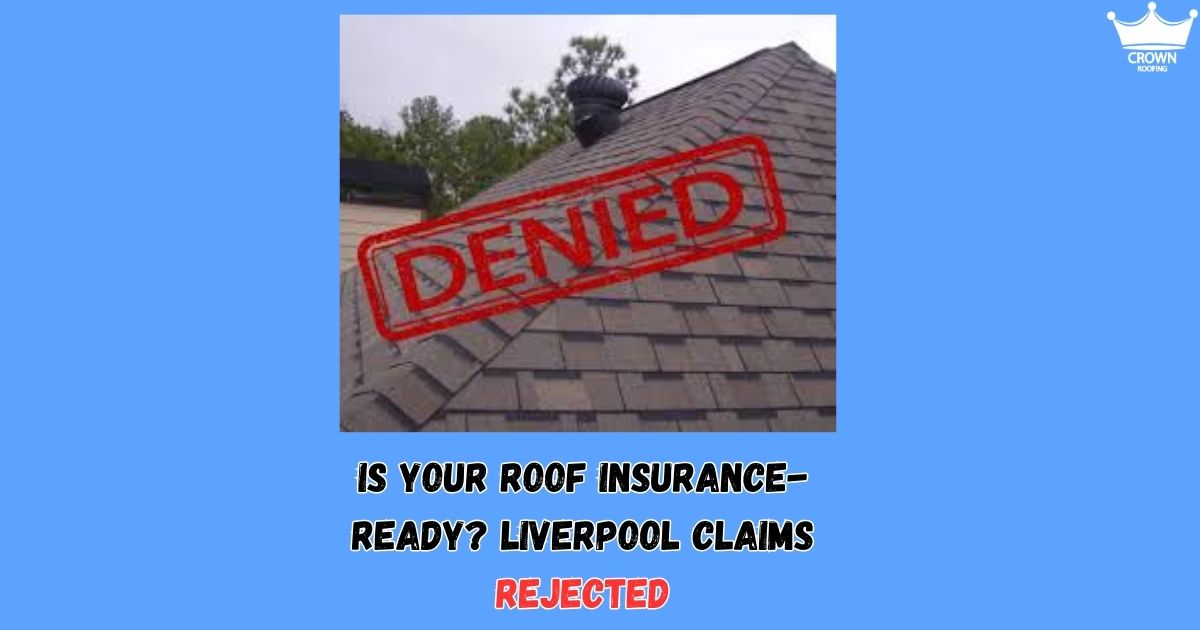
Roof insurance Liverpool claims often get rejected at the worst possible time, right after damage has already happened. Many homeowners assume they are fully covered, only to find out their claim doesn’t meet the insurer’s conditions. The issue is rarely the damage itself.
In most cases, claims fail because the roof was not considered insurance-ready before the problem occurred. Understanding this early can save thousands in unexpected costs.
Why Roof Insurance Liverpool Claims Get Rejected
Insurance companies don’t just look at the damage. They assess the condition of your roof before the incident. If they believe the issue could have been prevented, the claim is likely to fail.
Common reasons include poor maintenance, ageing materials, and unresolved previous damage. In a city like Liverpool, where roofs face constant exposure to wind and rain, these problems build up faster than expected.
Wear and Tear Is Not Covered by Insurance
One of the biggest misunderstandings around roof insurance Liverpool policies is wear and tear. Insurance covers sudden damage, not gradual deterioration. For example, cracked tiles, worn flashing, or weakened felt are usually classed as maintenance issues.
Even if they eventually cause a leak, insurers may reject the claim because the problem developed over time. This is why regular upkeep, including services like Roof Tile Repairs Liverpool, plays a key role in protecting both your roof and your insurance eligibility.
Storm Damage Claims That Still Get Rejected
Many homeowners assume storm damage is always covered. In reality, insurers often investigate whether the roof was already weakened before the storm. If tiles were loose, flashing was failing, or repairs were overdue, the insurer may argue that the storm only exposed an existing issue.
This is a common reason why roof insurance Liverpool claims are denied even after severe weather.
Missing Maintenance Records Can Weaken Your Claim
Documentation has become increasingly important in insurance claims. Without proof of maintenance, it becomes difficult to show that your roof was in good condition before the damage occurred. Useful records include inspection reports, repair invoices, and dated photographs.
Even simple evidence can make a big difference when insurers assess your claim. For general guidance on property maintenance standards, you can refer to the UK Government, which outlines responsibilities for homeowners.
Why Flat Roofs Face More Insurance Issues
Flat roofs are often treated differently by insurers. Because they are more prone to water pooling and drainage problems, they are seen as higher risk. Older systems, especially felt roofs, are more likely to fail under long-term moisture exposure.
In many cases, homeowners only realise the extent of damage when leaks appear. Upgrading to modern systems like Fiberglass Roofing Liverpool can improve durability and reduce the chances of claim rejection.
How to Make Your Roof Insurance-Ready
Being insurance-ready means taking steps before any damage occurs. Regular inspections and quick repairs show that the roof has been properly maintained. Clearing gutters, fixing minor issues early, and keeping records all help strengthen your position if you ever need to make a claim.
Many problems can be resolved early through services like Roof Leak Repair Liverpool, preventing larger issues later.
Why Local Roofing Inspections Matter
Local roofers understand how Liverpool’s climate affects different roofing systems. They know where problems usually start and what insurers are likely to look for. This local knowledge helps identify weak points early and ensures repairs are done correctly.
Homeowners across areas like Roofing Services in Wavertree, Liverpool often rely on local expertise to stay ahead of common issues.
When Roof Replacement Becomes Necessary
Sometimes maintenance alone is not enough. Older roofs are harder to insure and more likely to lead to rejected claims. Replacing an ageing roof improves reliability, reduces risk, and makes future insurance claims stronger.
It also helps protect the overall value of your property.
Final Thoughts
Roof insurance Liverpool claims are often rejected because of preventable issues, not because insurers refuse to pay. Wear, neglect, and missing records are the most common reasons. Taking action early with inspections, maintenance, and proper documentation ensures your roof stays protected and your insurance remains valid when you need it most.
FAQs
Why are roof insurance claims rejected so often?
Most claims fail due to wear and tear or lack of maintenance.
Does roof age affect insurance approval?
Yes, older roofs are more likely to be inspected closely and rejected.
Are flat roofs harder to insure?
Yes, they require more maintenance and are considered higher risk.
What helps strengthen a claim?
Inspection reports, repair records, and clear maintenance history.