

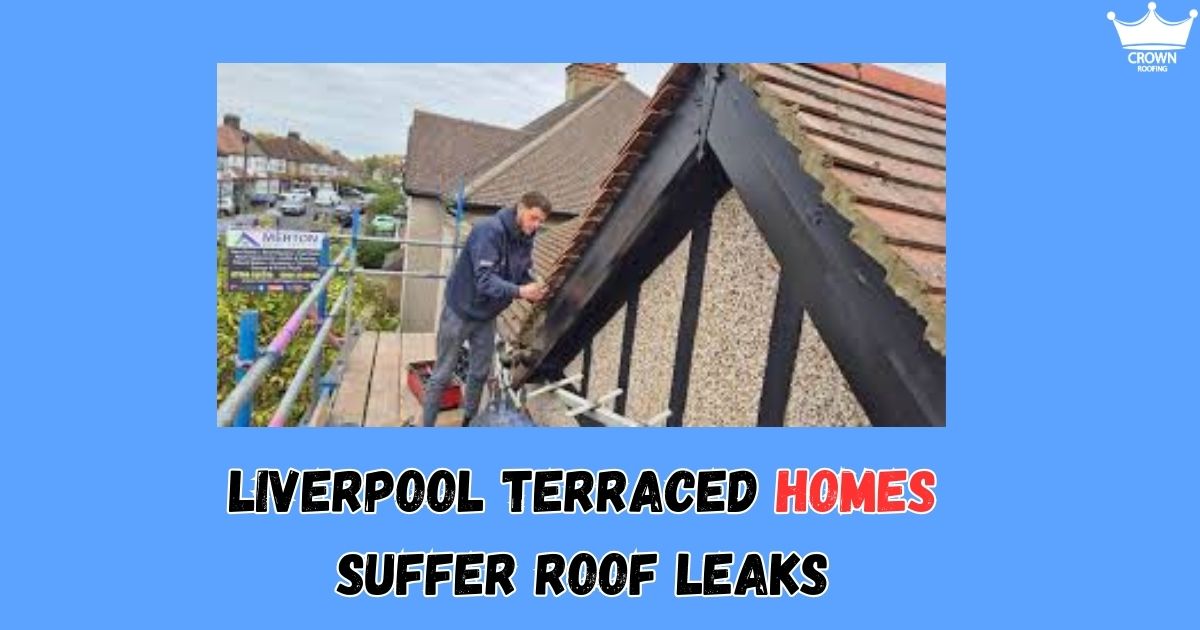
Roof leaks Liverpool terraced homes experience are more frequent than in many other property types. While these homes offer character and practicality, their structure creates conditions where leaks can develop and spread more easily.
The issue is rarely a single broken tile. In most cases, leaks form gradually due to shared roofing systems, ageing materials, and constant exposure to Liverpool’s weather.
Why Roof Leaks Liverpool Terraced Homes Are Harder to Detect
Terraced homes are connected, which means their roofs often share layers, junctions, and structural elements. Unlike detached properties, water doesn’t always enter directly above where the damage appears. Instead, it can travel sideways beneath tiles or along roofing felt before showing inside.
This is why many homeowners end up needing Roof Leak Repair Liverpool even when the visible problem seems small. The actual source may be several metres away.
Ageing Materials Increase the Risk of Leaks
A large number of Liverpool terraced homes were built decades ago. While the structures remain solid, roofing materials naturally degrade over time.
Felt becomes brittle, tiles lose their strength, and flashing begins to weaken. These small changes create entry points for water, especially during heavy rain. This is commonly seen in older areas such as Roofing Services in Wavertree, Liverpool, where original roofing materials are still in place.
Uneven Maintenance Across Neighbouring Properties
In a row of terraced homes, not every property is maintained equally. Some homeowners carry out regular repairs, while others delay maintenance for years. This creates an imbalance.
If one roof develops issues like loose tiles or damaged flashing, water can be redirected into shared sections of the roof. Over time, this increases the likelihood of leaks spreading between properties. This is one of the main reasons roof leaks Liverpool terraced homes experience tend to repeat even after small repairs.
Valleys and Roof Junctions Are High-Risk Areas
Terraced roofs contain multiple junctions where different sections meet. Valleys, in particular, carry large amounts of rainwater and are exposed to constant flow.
If debris builds up or materials wear down, water can enter beneath the surface. These areas are often overlooked because they are not easily visible from the ground. In many cases, damage here leads to sudden leaks that require Emergency Roof Leak Repair Liverpool.
Chimneys Create Additional Weak Points
Chimneys are another common cause of roof leaks in terraced homes. They are usually positioned along shared walls and rely on flashing to prevent water from entering. Over time, flashing can crack or lift due to temperature changes and weather exposure.
Once this happens, water follows the chimney structure downward and spreads through the roof space before becoming visible inside the home. In many cases, roof leaks Liverpool terraced homes face start around chimney flashing before spreading further inside.
Liverpool Weather Accelerates Roof Wear
Liverpool’s climate plays a major role in roof deterioration. Frequent rainfall, strong winds, and coastal moisture constantly test the strength of roofing materials. According to the National Federation of Roofing Contractors, regular maintenance is essential in areas with high moisture exposure. Without it, even small defects can quickly turn into serious issues.
Limited Access Often Delays Repairs
Terraced homes can be more difficult to access, especially from the rear. This makes inspections and repairs less convenient compared to detached properties. Because of this, some homeowners delay fixing minor problems.
Unfortunately, even small delays allow water to spread further into the structure, increasing both damage and repair costs. This is often seen in properties covered by Roofing Services in Crosby, Liverpool, where access can be restricted.
Early Warning Signs You Should Not Ignore
Catching problems early can prevent major repairs. Some of the most common warning signs include damp patches near shared walls, ceiling stains, or musty smells in loft spaces.
You may also notice peeling paint or hear dripping during heavy rain. These signs often indicate that water is travelling through shared roof structures rather than entering at a single point.
How to Reduce the Risk of Roof Leaks
Preventing leaks in terraced homes requires a proactive approach. Regular inspections help identify problems before they worsen, while clearing gutters and maintaining flashing reduces the risk of water entering. If possible, coordinating maintenance with neighbouring properties can also improve overall roof performance. Addressing issues early is always more cost-effective than dealing with extensive repairs later.
Final Thoughts
Roof leaks Liverpool terraced homes experience are often more complex than they appear. Shared structures, ageing materials, and weather exposure all contribute to ongoing issues. By identifying problems early and using experienced local professionals, homeowners can prevent repeat damage and keep their property protected long term.
FAQs
Why do leaks appear far from the damaged area?
Water travels beneath shared roof layers before entering the property.
Are terraced homes harder to repair?
Yes, shared structures and limited access make repairs more complex.
Should neighbours repair roofs together?
If possible, coordinated repairs reduce shared risks and long-term costs.
How often should terraced roofs be inspected?
At least once a year and after major storms.