

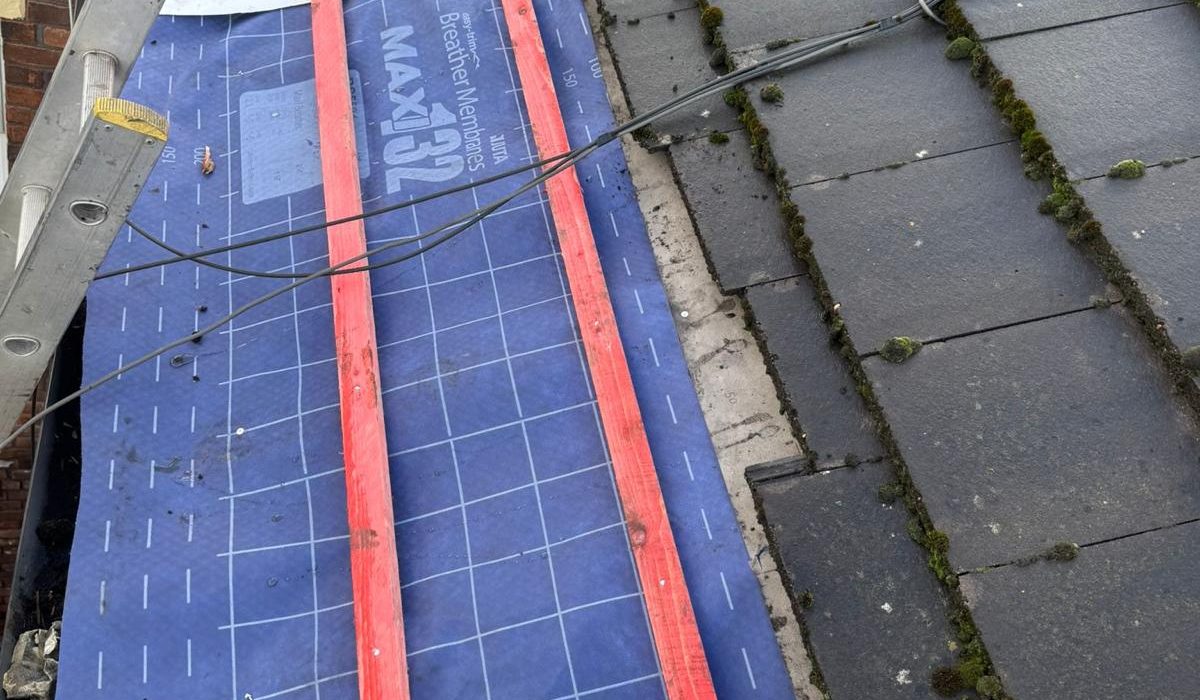
Liverpool Roof Storm Prep is something many homeowners ignore until a problem appears. A proper Liverpool Roof Storm Prep plan helps you identify weak points early and avoid serious damage during heavy storms. Preparing in advance helps protect your property, reduce repair costs and avoid stressful emergency situations.
Why Liverpool Roof Storm Prep Is So Important
Liverpool’s coastal weather creates constant pressure on roofing materials throughout the year. Strong winds can loosen tiles, while heavy rain finds its way into even the smallest gaps. Many homeowners only realise the importance of preparation after needing Roofing Services in Garston, Liverpool, when the damage has already become serious.
Preparing your roof before storms arrive gives you control instead of reacting to emergencies. It also helps extend the lifespan of your roof and keeps your home safe during harsh weather conditions.
Liverpool Roof Storm Prep Checklist Before Storm Season
A complete Liverpool Roof Storm Prep checklist helps homeowners stay organised before bad weather arrives. Instead of reacting to damage, you can follow a step-by-step plan to secure your roof, drainage and surrounding areas.
This checklist approach reduces the risk of missed problems and ensures your roof is fully prepared for heavy rain and strong winds.
Step 1: Check Your Roof for Early Warning Signs
Before storm season, take time to inspect your roof from the ground or inside your loft. Look for uneven tiles, cracked ridges or any signs of dampness that could indicate a hidden issue. These early warning signs often appear weeks before major damage happens.
If you notice small problems, services like Roof Tile Repairs Liverpool can resolve them quickly. Fixing these issues early prevents them from turning into leaks during heavy rain. A simple check now can save you from expensive repairs later.
Step 2: Clear Gutters and Roof Valleys
Gutters play a critical role in directing water away from your roof and walls. When they become blocked with leaves, moss or debris, water starts to overflow and seep into vulnerable areas. This is one of the most common causes of leaks during storms.
Homes in areas with trees often rely on Roofing Services in Allerton, Liverpool to deal with drainage issues. Keeping gutters and valleys clear allows water to flow properly during heavy rainfall. This simple step significantly reduces pressure on your roof.
Step 3: Fix Loose Tiles and Weak Flashing
Loose tiles and damaged flashing are among the first things to fail during strong winds. Even one lifted tile can expose the layer underneath and allow water to enter your home. Over time, this leads to internal damage that is much harder to repair.
Many homeowners only act when they suddenly need Emergency Roof Leak Repair Liverpool. Fixing loose sections before storm season prevents this situation entirely. It also strengthens your roof against future weather conditions.
Step 4: Prepare Flat Roofs for Heavy Rain
Flat roofs require extra attention because they do not drain water as quickly as pitched roofs. Standing water, small cracks or blocked outlets can quickly lead to leaks. These issues often go unnoticed until the damage becomes visible inside the property.
Some homeowners only consider upgrades like Fiberglass Roofing Liverpool after repeated problems. Checking your flat roof before storms helps avoid these situations. Proper maintenance ensures it can handle heavy rainfall without failure.
Step 5: Remove Nearby Hazards and Debris
Storm winds can turn everyday objects into serious risks for your roof. Loose branches, garden furniture or debris can strike tiles and cause immediate damage. Even small impacts can create cracks that lead to leaks.
Homeowners often end up needing Roofing Services in Crosby, Liverpool after debris-related damage. Trimming trees and securing loose items reduces this risk significantly. Preventing impact damage is just as important as fixing roof issues.
Step 6: Check Loft Insulation and Ventilation
Roof problems are not always visible from the outside. Poor insulation and ventilation can cause moisture to build up inside your roof structure. Over time, this weakens materials and makes your roof more vulnerable during storms.
A well-ventilated loft helps regulate temperature and prevents condensation. It also protects timber and insulation from long-term damage. Taking care of internal conditions strengthens your roof overall.
Step 7: Prepare for Emergency Situations
Even with preparation, extreme weather can still cause unexpected issues. Having a basic emergency setup helps you respond quickly if water enters your home. Simple items like buckets, towels and plastic sheets can reduce damage while waiting for help.
Being prepared gives you peace of mind during storm season. It also helps limit the impact of sudden leaks. Quick action can prevent minor issues from becoming major repairs.
Step 8: Inspect Your Roof After Every Storm
Storm damage does not always show immediately. Sometimes problems develop slowly and only become visible days later. Checking your roof after bad weather helps you catch these issues early.
Many homeowners delay this step and later require Roofing Services in Old Swan, Liverpool for avoidable damage. Look for damp patches, broken tiles or debris around your property. Early detection prevents problems from spreading further.
Step 9: Book a Professional Roof Inspection
Some issues are difficult to identify without professional experience. A roofing expert can spot hidden damage and weak areas that are not visible from the ground. This is especially important before and after storm season.
Professional inspections provide clear guidance on what needs fixing. They also help prevent unexpected failures during extreme weather. Investing in inspection saves money in the long run.
Step 10: Plan Ahead Instead of Reacting
The biggest mistake homeowners make is waiting until something goes wrong. Storm damage is often the result of small issues being ignored over time. Taking action early helps you stay ahead of problems instead of reacting to them.
Following a proper Liverpool Roof Storm Prep plan reduces stress and unexpected costs. It also ensures your home stays protected throughout the year. Preparation is always easier than emergency repair.
Final Thoughts
Liverpool Roof Storm Prep is one of the most effective ways to protect your home from damage. Regular checks, simple maintenance and early repairs can prevent costly issues during storm season. These steps do not take much time but make a big difference.
A well-prepared roof handles harsh weather far better than a neglected one. Taking action now helps you avoid stress, save money and keep your home safe. Small efforts today lead to long-term protection.
FAQs
When should I prepare my roof for storms?
Before autumn and winter, and after any major weather event. Regular checks help catch issues early and reduce the risk of damage.
What is the most common storm-related roof problem?
Loose tiles, damaged flashing and blocked gutters are the most common causes. These issues allow water to enter and create leaks.
Can I inspect my roof myself?
You can check from the ground or inside your loft safely. For higher areas or detailed inspections, always contact a professional.
Is storm preparation really necessary every year?
Yes, because Liverpool weather changes quickly. Annual preparation helps maintain your roof and prevents unexpected problems.
What is included in a Liverpool Roof Storm Prep plan?
A Liverpool Roof Storm Prep plan includes roof inspection, gutter cleaning, fixing loose tiles, checking flashing, and preparing for emergency situations before storms arrive.