Tiles vs EPDM: What Liverpool Homeowners Must Know

Tiles vs EPDM: What Liverpool Homeowners Must Know
December 6, 2025

Choosing a Liverpool-Based Roofer becomes essential when deciding between traditional tiled roofs and modern EPDM systems. Liverpool homes come in all shapes and ages, which means the right roofing choice depends on location, structure, weather exposure and long-term plans. Crown Roofing Solutions works with both systems daily and understands how each material performs across the city’s changing conditions.

Understanding how Liverpool’s homes influence roofing choices

Before comparing tiles and EPDM, it’s important to understand Liverpool’s unique housing mix. Rows of Victorian terraces, semi-detached family homes, modern estates and coastal properties all face different challenges. Strong winds coming off the Mersey, heavy rainfall and sudden storms mean roofing materials need to withstand constant pressure.

Crown Roofing Solutions has spent decades repairing, replacing and maintaining roofs throughout the region. That experience makes it clear that the best roofing choice depends on more than just cost. It depends on how well the material matches the home itself.

Tiles: Liverpool’s traditional and trusted roofing style

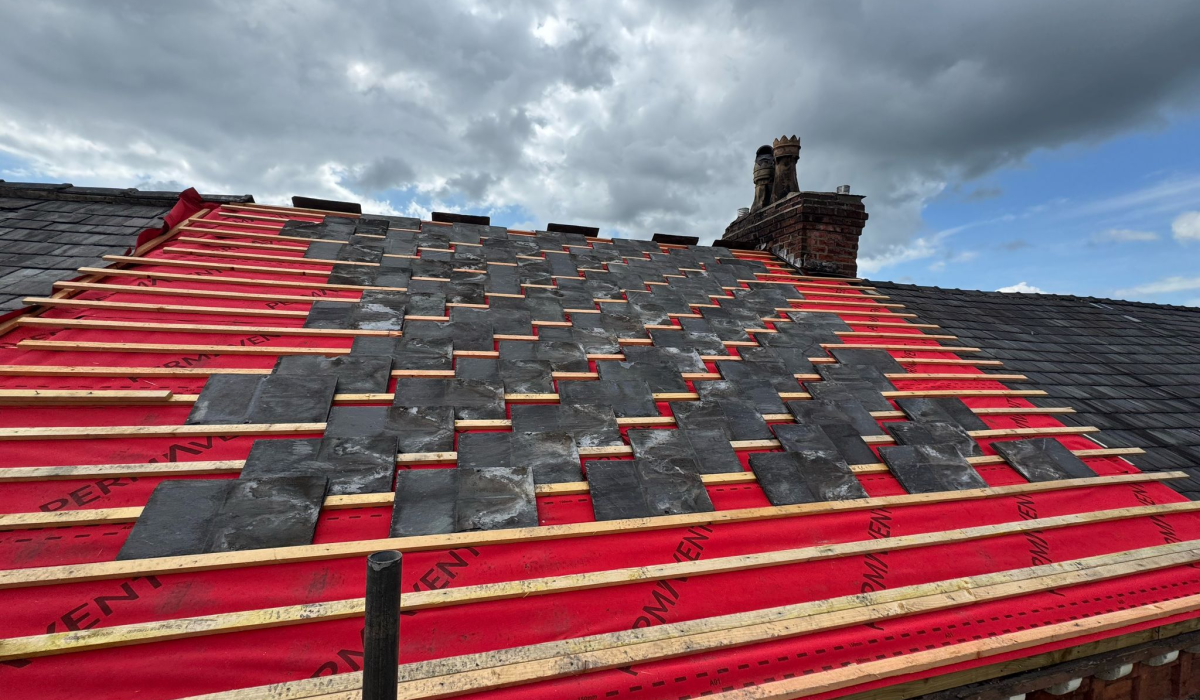
Tile roofs have protected Liverpool homes for generations. They offer a classic appearance that suits older terraces and heritage properties, but modern builds also use them for their long lifespan and reliable performance.

Below are the key strengths and limitations that Crown Roofing Solutions sees most often across the city.

The surprising strengths of tiled roofs

Tile roofs have several qualities that make them a strong choice for Liverpool homes. They handle weather changes well and provide excellent long-term value.

A major advantage is durability. Good quality tiles can last for decades, even through years of Merseyside rain and strong winds. They also offer strong resistance to fire and don’t deteriorate due to UV sunlight. Homes in areas like Woolton, Aigburth, Anfield and Wavertree benefit from the traditional look of slate and concrete tiles, which match the character of the properties.

Tiles also perform well when properly installed and maintained. Crown Roofing Solutions often repairs slipped or cracked tiles quickly, meaning small issues rarely turn into major problems when caught early.

The limitations homeowners should be aware of

Although tiles are robust, they do carry some drawbacks. Weight is one of the biggest. Heavier roofs may require stronger structural support, especially on older homes that have not been upgraded.

Another challenge is vulnerability during high winds. While tiles are strong, extreme gusts can dislodge ridge tiles or lift individual pieces. Liverpool’s coastal weather means this happens more frequently than homeowners expect.

Tile roofs also develop gradual wear around flashing, valleys and chimneys. Without regular checks, these areas can allow water to enter slowly. Crown Roofing Solutions often finds leaks caused not by tiles themselves but by the components around them.

EPDM: The modern roofing system gaining popularity in Liverpool

EPDM roofing has grown in popularity across Liverpool, especially for garages, extensions, dormers and commercial properties. It is known for its flexible, seamless installation and long-lasting weather resistance.

Why EPDM works well in Liverpool’s climate

EPDM performs particularly well in areas with heavy rain and temperature changes. Its smooth, single-piece membrane helps prevent leaks by removing many of the weak points found in older felt roofs.

Crown Roofing Solutions installs EPDM regularly because homeowners appreciate its long lifespan and low maintenance. The material is flexible, resisting cracks even during cold winters or hot summers. It also handles standing water far better than older roofing materials.

Liverpool homes with flat roofs benefit from EPDM because it forms a watertight surface with fewer seams. This dramatically reduces leak risks and helps the roof remain secure during storms.

The considerations homeowners should know before choosing EPDM

EPDM is reliable, but not always the perfect solution for every home. One limitation is appearance. While tiles offer a traditional and decorative look, EPDM has a clean but plain finish. It suits modern designs more than older cottages or heritage terraces.

EPDM installation also requires a trained specialist. Poor preparation or incorrect fitting can lead to issues, especially around edges, pipes and skylights. Crown Roofing Solutions frequently repairs EPDM roofs installed by inexperienced contractors.

Another factor is impact resistance. Although EPDM is strong, sharp objects or falling branches during storms can cause punctures. These are usually easy to fix, but homeowners should be aware of the risk.

How to decide between tile and EPDM for your Liverpool home

Choosing between these materials depends on your property type, long-term plans and personal preferences. A new roof is an investment, so understanding which system suits your home ensures better performance and fewer issues.

When tiles are the best choice

Tiles tend to be the best fit when:

• You want a traditional look that matches the rest of the street
• Your home already has a slate or concrete tile roof
• You want a material with decades of proven performance
• You prefer easy access to individual repairs instead of full replacements

Tile roofs blend well with Liverpool’s older properties and offer strong protection when maintained properly.

When EPDM is the right choice

EPDM works best when:

• You have a flat roof or low-slope extension
• You want a long-lasting, low-maintenance solution
• You prefer a seamless waterproof finish
• Your project involves garages, dormers or modern builds

Many Liverpool homeowners choose EPDM for its reliability and clean installation process.

Why local knowledge matters when choosing between the two

Deciding between tiles and EPDM becomes easier when you consult someone who understands Liverpool’s housing, weather patterns and common roofing issues. Choosing a Liverpool-Based Roofer like Crown Roofing Solutions gives homeowners a major advantage, because local specialists have seen how both materials behave over time.

Crown Roofing Solutions understands how strong winds affect ridges, where flat roofs typically fail and which materials last longest in specific neighbourhoods. That insight helps homeowners choose the right system without guesswork.

The long-term value of making the right roofing choice

Roofing is one of the most important parts of your home. Making the right decision saves money, reduces repairs and prevents stress later. Whether you choose tiles or EPDM, the goal is to protect your home from leaks, storms and ageing over the years.

A well-installed roof by a trusted local company offers peace of mind and long-lasting protection.

FAQs

Which lasts longer, tile or EPDM?

Both can last many years when installed properly. Tiles may last several decades, while EPDM can perform extremely well on flat roofs with minimal maintenance. The right choice depends on your roof type and home structure.

Is EPDM suitable for all Liverpool homes?

EPDM is ideal for flat and low-slope roofs. It may not suit properties where a traditional tiled appearance is preferred, but it works exceptionally well for modern extensions and garages.

Do tiles withstand Liverpool weather better?

Tiles are very durable, but high winds can loosen them if they are older or not maintained. Regular checks help maintain their performance throughout storm season.

Does EPDM require more maintenance?

EPDM generally requires less maintenance than older felt roofs. However, it still benefits from occasional inspections, especially after storms or heavy rain.

Should I replace tiles with EPDM?

Only if your roof structure allows it and the design suits your property. Many homeowners keep tiles for main roofs and use EPDM for extensions or dormers.

What are common problems with EPDM roofs?

Common EPDM roof problems include loose or failing seams, poor installation, punctures from foot traffic, and water pooling. Over time, adhesive failure or damaged flashing can allow water to enter if not repaired promptly.

What is the life expectancy of an EPDM roof?

An EPDM roof typically lasts between 20 and 30 years when installed correctly and properly maintained. Regular inspections and timely repairs can help extend its lifespan.

Do roof tiles absorb water?

Most modern roof tiles are designed to repel water, but some materials can absorb small amounts over time. Cracked, damaged, or ageing tiles absorb more moisture, increasing the risk of leaks and internal damp.

Is TPO roofing better than EPDM?

TPO roofing offers strong heat reflection and welded seams, making it energy efficient. EPDM is more flexible and performs better in colder climates. Neither is universally better — the best option depends on building type, climate, and installation quality.

Leave a Reply

Your email address will not be published. Required fields are marked *